Showing posts with label trivia. Show all posts

Friday, February 8, 2008

Gold plate


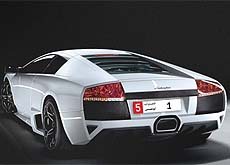
On 16th of February, officials from the Guinness Book of World Records will be in Abu Dhabi to witness the auction of exclusive number plates including the most elusive and sought after of all: an Abu Dhabi number 1.

Number 1 may break the world record as the most expensive number plate of more than 25.2 million Dhs (almost 7 million US$)

Number plates in the UAE bestow upon their owners their present rank in society - Ruler: number 1; immediate family: single digits; senior government officials: two digits; private company CEOs: three digits; Filipinos and other expats? 9698724.

Small wonder then that they attract such extraordinary value. The status of being labelled one of the top 200 individuals in the UAE is worth a great deal in UAE society and business.

But can it really be worth Dhs25 million or more? Surely a small proportion of this price can be put down as a business expense. The rest is pure vanity.

A clue to value can be found in other countries. In the UK, the record for the most expensive number plate ever sold was broken this week when an anonymous buyer paid £375,000 (Dhs2.73 million) for the plate ‘F1' (Bernie Ecclestone, perhaps?).

It seems that the British refuse to pay more for a number plate than they could spend on even the most expensive, customised Bentley or Rolls Royce on which to attach it.

There is clearly no such ceiling among the super rich of the UAE.

Maybe it is because cars in the UAE spend so much time in traffic jams, the value of their exterior fixtures is higher because people spend more time looking enviously at them

Monday, January 28, 2008

ASIAN TSUNAMI IN THE GULF


Well..well..well.. It seems an invasion in the Gulf by the “Sakangs”, “Singkits” and “Pangos” (possibly around 30 Million) in the next ten years is imminent.

A Bahraini minister has warned of an "Asian tsunami" because of the reliance of "lazy" Gulf Arabs on foreign labour to carry out even the simplest tasks.

At present, there are almost 17 million foreign workers in the Gulf, mostly from the Asian sub-continent, represented "a danger worse than the atomic bomb or an Israeli attack".

Bahrain Labour Minister Majid Al-Alawi Al-Alawi has called for the residency of foreign workers in the oil-rich Gulf states to be limited to six years but the leadership of the six-nation GCC has not followed up on the proposal.

Al-Alawi said that Gulf nationals were "lazy" and "spoilt", relying on imported labour for the simplest of tasks.

A lord with billions in Great Britain cleans his own car on a Sunday morning, whereas people of the Gulf look for someone to hand them a glass of water from just a couple of metres away.

30 years from now, how do you imagine seeing a “Sakang na Arabo”, “Singkit na Kalbo” or “Arabong pango ang ilong” because of inter-racial marriages?

Monday, December 3, 2007

You wonder why the ocean is so salty.....


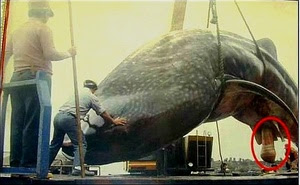
A blue whale produces over 400 gallons of sperm when it ejaculates;

* but only 10% of that actually makes it into his mate.

* So 360 gallons are spilled into the ocean every time one unloads.

Don't swallow the water!!!!!

Sunday, December 2, 2007

What makes “Pinangat “ or Laing Special?


Yesterday, I came across an article in PDI about the famous native delicacy of Bicolanos, particularly the Camalignons, becoming a lucrative business nowadays – the Pinangat.

The article brings back my childhood memory in my hometown in Legazpi.

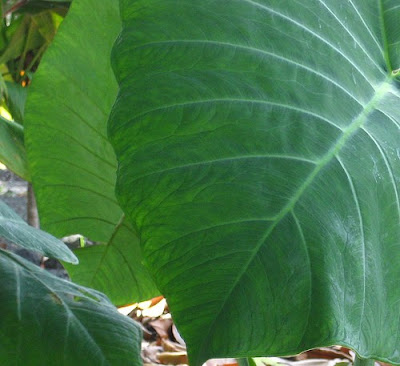
“Natong” or laing/gabi (Manila) or the taro leaves (Alocasia macrorrhiza) are abundantly growing in every household’s backyards, riverbanks and swamp areas in our place, but we, Bicolanos know the best variety. We won’t settle for those plants that grow elsewhere. This skill of knowing if a particular natong leaf or a batch of it would be good for cooking, or not, makes the difference. No doubt, if you plan to visit during meal time, you will certainly see delicious “laing” serve in our table. You would come back raving about it.

But how we, the Oragons, made this dish so special?

I was 9 when I learned to cook.

My mother would always insist that we should watch her cook and help prepare the food every night. Even as a kid, I have always been fascinated watching my mother prepare this special dish. Although we hired a “katulong”, she made sure that she spent time cooking for us. My sister will prepare the “natong” or laing and I was in charge of flaking, cracking and grating the coconut manually in a “kudkudan”. And I was sure the flavor is well worth all the tedious effort.

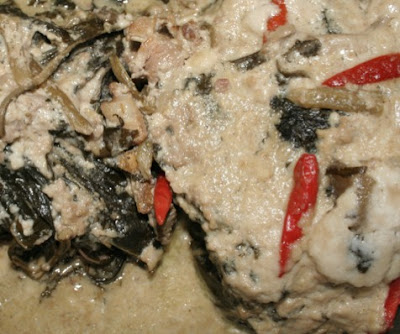
It took her less than an hour to cook sumptuous” laing” dish. When it was almost done, she set aside half of it from the pot (for us) and then put “sambalas” (siling labuyo) to the remaining half while still on fire, for her and my father.
She cooked pinangat in a palayok and firewood because according to her, it gives a better and more inviting smell. You must have a palayok or earthen pot in order to cook pinangat, otherwise it won’t taste as good as what my mother tells me.


"Natong" or Gabi/Taro Leaves (Alocasia macrorrhiza)

There are two ways of cooking the laing – “palu-sag” and the classic way.

In “palusag”, you put all the ingredients (natong, onion, garlic, orabang, pork, dried fish, etc) and bring to boil, while the classic way, you have to boil the coconut milk until it thickens (with the other ingredients (garlic, ginger, onions, dried fish, pork), then later the shredded “natong” leaves and “orabang” on top of it.

The cooking takes some secrets and techniques in order not to produce itchiness on the tongue and throat after eating. Here are some:

1. Choose the right variety of natong – best kind is the heart-shaped, light greenish leaves, smooth top layer, with soft clear stem.
2. Wash the natong leaves immediately.
3. Split the leaves by following the large veins, don’t use a knife. Don’t wash after.
4. In the classic way, stir constantly the coconut milk until it boils. Stop stirring when you add already the “natong” to avoid itchy result. Press it on top and side to side from time to time to avoid sticking to the pot.
5. When the natong is done, add the “kakang-gata” (first squeeze coconut milk) on top and cook in low fire for 15 minutes.

Pinangat is a special kind of cooking the “natong”. The only difference from the natural way of cooking is the appearance (the shredded leaves and ingredients are wrapped in a whole leaf and tied) and its added ingredients like crab meat, chopped shrimps and pork fat. It is different from Pinangat of Batangas.


Sunday, November 25, 2007

You Know An Arab If...


You Know An Arab If...

- He talks for an hour at the front door when leaving someone's house.
- He says bye 17 times on the phone.
- His relatives alone could populate a small city.
- He always say "open the light" instead of "turn the light on".
- He refers to his dad's friends as Amoo.
- He has an endless supply of pistachios, dates, and pumpkin seeds. . .
- He has at least thirty cousins.
- He uses his forehead and eyebrows to point something out. . .
- He drinks 6 cups of tea a day.
- After a family meal, the women fight to the death over who should wash the dishes while the men sit on their behinds and discuss politics, waiting for their tea.
- He feels weird using the English word “tease”..
- At weddings it takes the bride and groom 4 hours to kiss all the guests.
- He has a gold necklace of his name written in Arabic.
- He feels proud when someone famous or a celebrity has any Arabic blood in them.
- He wears more cologne than deodorant.
- He puts olive oil in and on everything and brags about how healthy it is.
- He cooks a meal that lasts 3 days.
- He thinks it's cool to dance and smoke at the same time.
- He shaves his pubic hair often.
- He is circumcised
- He prefers to wear boxer shorts than brief
- The male entrance to their house is separate from ladies.

Friday, November 16, 2007

Technologies Never Stop Growing...


Watch with USB


New Nokia Mobile 888


Ipod with Tri-pod speakers


Ipod reads CD

Tuesday, October 23, 2007

Bloggers' Code of Ethics


CyberJournalist. net has created a model Bloggers’ Code of Ethics, by modifying the Society of Professional Journalists Code of Ethics for the Weblog world. These are just guidelines — in the end it is up to individual bloggers to choose their own best practices. CyberJournalist. net follows this code and urges other Weblogs to adopt this one or similar practices:

Be Honest and Fair
Bloggers should be honest and fair in gathering, reporting and interpreting information.
Bloggers should:
• Never plagiarize.
• Identify and link to sources whenever feasible. The public is entitled to as much information as possible on sources’ reliability.
• Make certain that Weblog entries, quotations, headlines, photos and all other content do not misrepresent. They should not oversimplify or highlight incidents out of context.
• Never distort the content of photos without disclosing what has been changed. Image enhancement is only acceptable for for technical clarity. Label montages and photo illustrations.
• Never publish information they know is inaccurate — and if publishing questionable information, make it clear it’s in doubt.
• Distinguish between advocacy, commentary and factual information. Even advocacy writing and commentary should not misrepresent fact or context.
• Distinguish factual information and commentary from advertising and shun hybrids that blur the lines between the two.

Minimize Harm
Ethical bloggers treat sources and subjects as human beings deserving of respect.
Bloggers should:
• Show compassion for those who may be affected adversely by Weblog content. Use special sensitivity when dealing with children and inexperienced sources or subjects.
• Be sensitive when seeking or using interviews or photographs of those affected by tragedy or grief.
• Recognize that gathering and reporting information may cause harm or discomfort. Pursuit of information is not a license for arrogance.
• Recognize that private people have a greater right to control information about themselves than do public officials and others who seek power, influence or attention. Only an overriding public need can justify intrusion into anyone’s privacy.
• Show good taste. Avoid pandering to lurid curiosity.
Be cautious about identifying juvenile suspects, victims of sex crimes and criminal suspects before the formal filing of charges.

Be Accountable
Bloggers should:
• Admit mistakes and correct them promptly.
• Explain each Weblog’s mission and invite dialogue with the public over its content and the bloggers’ conduct.
• Disclose conflicts of interest, affiliations, activities and personal agendas.
• Deny favored treatment to advertisers and special interests and resist their pressure to influence content. When exceptions are made, disclose them fully to readers.
• Be wary of sources offering information for favors. When accepting such information, disclose the favors.
• Expose unethical practices of other bloggers.
• Abide by the same high standards to which they hold others

Monday, October 22, 2007

Blogging blossoms in Saudi Arabia


Blogging is fast becoming a national pastime among Saudi Arabia's youth.

Young Saudi Arabians are increasingly using the Internet to air their views about political, social and economic issues.

In a country where traditional media is monitored by the State, the Internet is providing greater freedom to express opinions and report news.

It is estimated that over 1000 bloggers regularly write on the Internet, according to the Official Community for Saudi Bloggers (OCSAB). Bloggers even have their own term: they are called ‘mudawin' in the Kingdom.

Basem al Sallum, one of the kingdom's pioneering bloggers told Asharq Al-Awsat that blogging could become the eyes and ears of Saudi society.

However, Saudi Arabian bloggers do not have complete freedom to publish anything they like.

Blogs are subject to the same treatment as websites; they are blocked when they contain objectionable material such as pornography in particular, and other things in general, and things that go against the established principles of our religion and national regulations.

Tuesday, October 16, 2007

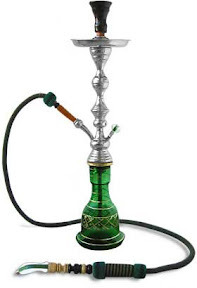
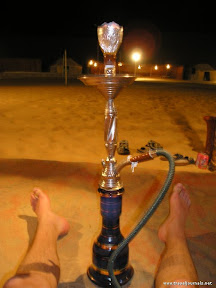
Shisha: Pipe Smoking.. A Legal way of Pot Session??


Shisha is famous in Arab Countries where prohibited drugs are not allowed

Smoking tobacco using the traditional hookah waterpipe, which is less harmful method of tobacco use, has been part of the fabric of life in the Middle East for centuries.

It is a kind of 'smoking' using a tall glass pipe stand filled with flavored water. 'Shisha' seems to be the patent of men but now there are modern middle class ladies joining the smokers.


I already tried mint and apple flavours with my Saudi friends whenever I visited them or having a good bonding with them, but can't really tell the true taste.

A physician, Hakim Abul Fath, suggested that "tobacco smoke should be first passed through a small receptacle of water so that it would be rendered harmless."

So began a myth that shisha smoking is far less dangerous to health than cigarette and pipe smoking.

However, World Health Organisation has quashed that myth, suggesting that smoking a hookah is more dangerous than smoking cigarettes. It also said that more research is needed into the link between the use of the waterpipe and several fatal illnesses.

An advisory note from the WHO says that smoking a hookah may expose the smoker to more smoke over a longer period of time than occurs when smoking cigarettes.

Because smoking a hookah may take up to 80 minutes, the report suggests that the smoker is subjecting himself to as much smoke as somebody dragging on 100 cigarettes.

And the water does not strip out all toxic substances. Some of the nicotine is absorbed, but this leads to people smoking for longer in order to experience the effects of the drug, and therefore inhaling more smoke containing carbon monoxide, heavy metals and other toxic compounds, which leads to heart and respiratory problems.

Saturday, October 13, 2007

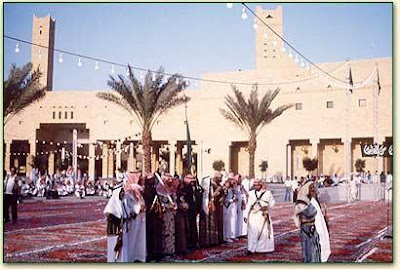
Eid Il-Fitr Celebration in Riyadh


From Ardah, traditional Saudi folklore dancing, and poetry nights, to firework displays, circuses, and daredevil motorbike shows, the Saudi capital is planning on celebrating Eid Al-Fitter this year with many family activities.
This years new activities include Somo acts at Prince Faisal bin Fahad Stadium; a women only festival at King Fahad Cultural Center; a Folklore Tent at Kindy Arena; bungee jumping at Doha Arena; reconstructed car shows at the walk way on King Abdullah Street; Eid activities at the Children's Handicapped Society; and a for-women-only circus in Sowaidi district at the activity arena.
On the first day of Eid is an Ardah dance at Al-Hokum Palace between 7:45 P.M. and 10 P.M.
The following day is highlighted by fireworks display between 9:15 P.M. and 9:25 P.M. The display on the 2nd day of Eid will be held at King Fahad International Sport Stadium, Prince Faisal bin Fahad Stadium in Malaz, Prince Sultan University, East of Hanging Bridge, Aziziyah Street intersection with South ring road, and Salam Park.
The third day of Eid will have a slew of activities namely Kenyan Act; Motorbike act;Aerobatic act; Fire Act; Somo act; African act; Motorbike show; Aerodynamic acts; stunt car show; for-women-only circus; Folklore Tenet; Museum King Abdulaziz Memorial; "Shatah and Katshup" children's play; Children Cinema; Swan Net play;
Women festival; Family tele-match; Flower display; fireworks; and Aradah dance by children.

**Hey guys, i'll be out from my station till Monday. We'll be in Dirab Golf Course to enjoy the 5-day vacation with my friends. For sure there will be lots of fun!!**

Friday, October 12, 2007

Google in your Mobile??

Search giant Google is planning to lay its hand on mobile phone market. For two years Google engineers have been working on a secret project designing Google Phone which will run on Google's Linux-based software, and will provide integration with other Google services - GMail, Google maps, Google search, etc. The so called GPhone is expected to be a strong rival to the Apple iPhone, and is scheduled for release later this year.

Here’s how Google Phone may look like.


Friday, September 21, 2007

Mobiles disconnected from cancer link


Six years of research by 28 different teams, costing almost $18 million, has concluded that mobile phones pose no threat to health for people that have used them for up to 10 years.

But despite the gargantuan amount of money spent on studies, they could not conclusively rule out the possibility of damage through long-term usage.

The impact of mobile phone use on children is also not known and requires additional research, scientists suggest.

The six-year research programme, chaired by Professor Lawrie Challis, Professor of Physics at The University of Nottingham in the UK, has found no association between short term mobile phone use and brain cancer.

Studies on volunteers also showed no evidence that brain function was affected by mobile phone signals or the signals used by the emergency services.

The research also found no evidence that living or working near mobile phone base stations causes any physical symptoms.

Professor Lawrie Challis, Chairman of MTHR, said: "This is a very substantial report from a large research programme. The work reported today has all been published in respected peer-reviewed scientific or medical journals. The results are so far reassuring but there is still a need for more research, especially to check that no effects emerge from longer-term phone use from adults and from use by children."

Thursday, September 20, 2007

hmmm....Bananas!!


After reading this, you'll NEVER look at a banana in the same way again!

Bananas containing three natural sugars - sucrose, fructose and glucose combined with fiber, a banana gives an instant, sustained and substantial boost of energy. Research has proven that just two bananas provide enough energy for a strenuous 90-minute workout. No wonder the banana is the number one fruit with the world's leading athletes. But energy isn't the only way a banana can help us keep fit. It can also help overcome or prevent a substantial number of illnesses and conditions, making it a must to add to our daily diet.


Depression:
According to a recent survey undertaken by MIND among people suffering from depression, many felt much better after eating a banana. This is because bananas contain tryptophan, a type of protein that the body converts into serotonin, known to make you relax, improve your mood and generally make you feel happier.

PMS:
Forget the pills --- eat a banana. The vitamin B6 it contains regulates blood glucose levels, which can affect your mood.

Anemia:
High in iron, bananas can stimulate the production of hemoglobin in the blood and so helps in cases of anemia.

Blood Pressure:
This unique tropical fruit is extremely high in potassium yet low in salt, making it the perfect way to beat blood pressure. So much so, the US Food and Drug Administration has just allowed the banana industry to make official claims for the fruit's ability to reduce the risk of blood pressure and stroke.

Brain Power:
200 students at a Twickenham (Middlesex) school were helped through their exams this year by eating bananas at breakfast, break, and lunch in a bid to boost their brainpower. Research has shown that the potassium-packed fruit can assist learning by making pupils more alert.

Constipation:
High in fiber, including bananas in the diet can help restore normal bowel action, helping to overcome the problem without resorting to laxatives.

Hangovers:
One of the quickest ways of curing a hangover is to make a banana milkshake, sweetened with honey. The banana calms the stomach and, with the help of the honey, builds up depleted blood sugar levels, while the milk soothes and re-hydrates your system.

Heartburn:
Bananas have a natural antacid effect in the body; so if you suffer from heartburn, try eating a banana for soothing relief.

Morning Sickness:
Snacking on bananas between meals helps to keep blood sugar levels up and avoid morning sickness.

Mosquito bites:
Before reaching for the insect bite cream, try rubbing the affected area with the inside of a banana skin. Many people find it amazingly successful at reducing swelling and irritation.

Nerves:
Bananas are high in B vitamins that help calm the nervous system.

Overweight and at work?
Studies at the Institute of Psychology in Austria found pressure at work leads to gorging on comfort food like chocolate and chips. Looking at 5,000 hospital patients, researchers found the most obese were more likely to be in high-pressure jobs. The report concluded that, to avoid panic-induced food cravings, we need to control our blood sugar levels by snacking on high carbohydrate foods every two hours to keep levels steady.

Ulcers:
The banana is used as the dietary food against intestinal disorders because of its soft texture and smoothness. It is the only raw fruit that can be eaten without distress in over-chronicler cases. It also neutralizes over-acidity and reduces irritation by coating the lining of the stomach.

Temperature control:
Many other cultures see bananas as a "cooling" fruit that can lower both the physical and emotional temperature of expectant mothers. In Thailand , for example, pregnant women eat bananas to ensure their baby is born with a cool temperature.

Seasonal Affective Disorder (SAD):
Bananas can help SAD sufferers because they contain the natural mood enhancer tryptophan.

Smoking:
Bananas can also help people trying to give up smoking. The B6, B12 they contain, as well as the potassium and magnesium found in them, help the body recover from the effects of nicotine withdrawal.

Stress:
Potassium is a vital mineral, which helps normalize the heartbeat, sends oxygen to the brain and regulates your body's water balance. When we are stressed, our metabolic rate rises, thereby reducing our potassium levels. These can be rebalanced with the help of a high-potassium banana snack.

Strokes:
According to research in "The New England Journal of Medicine," eating bananas as part of a regular diet can cut the risk of death by strokes by as much as 40%!

So, a banana really is a natural remedy for many ills. When you compare it to an apple, it has four times the protein, twice the carbohydrates, three times the phosphorus, five times the vitamin A and iron, and twice the other vitamins and minerals. It is also rich in potassium and is one of the best value foods around. So maybe its time to change that well known phrase so that we say, "A banana a day keeps the doctor away!"

Wednesday, September 5, 2007

YOU ARE IN SAUDI ARABIA IF:


1. You mistakenly read no. 6 as 7 and 5 as 0.
2. Stores have to close five times a day.
3. Gasoline is much cheaper than water/softdrinks.
4. Cigarettes are sold by pack, not by stick.
5. You can see men holding hands and beso-beso in public.
6. In Riyadh, you can tour Quiapo, Robinsons, SM, Gotesco at the same time in less than five minutes
7. You can transact business in the bank till midnight.
8. You hate riding a public transport bus.
9. You become resilient to the most terrible bad breath and body odor of your non-Filipino office mates.
10. You start writing from right to left.
11. You said A/C instead of Aircon and Washroom instead of Toilet
12. You can’t go out shirtless in public or wear shirt with a person’s face printed on it.
13. You know how to properly unwrapped shawarma
14. You don’t have to buy alarm clock when you live near a Mosque.
15. You don’t wear necklace, bracelet and earrings in public.

Saturday, August 18, 2007

Mga Wika at Diyalekto ng Iba't-ibang Bansa

Bilang pagtatapos ng Linggo ng Wika, nais kong ibahagi sa inyo ang mga talaan ng iba't-ibang wika at diyalekto ng bawat bansa:

Afghanistan - Pashtu, Dari Persian, other Turkic and minor languages
Albania- Albanian (Tosk is the official dialect), Greek
Algeria-Arabic (official), French, Berber dialects
Andorra-Catalán (official), French, Castilian, Portuguese
Angola-Portuguese (official), Bantu and other African languages
Antigua and Barbuda-English (official), local dialects

Argentina-Spanish (official), English, Italian, German, French
Armenia-Armenian 96%, Russian 2%, other 2%
Australia-English, native languages
Austria-German 98% (official nationwide); Slovene, Croatian, Hungarian (each official in one region)
Azerbaijan-Azerbaijani Turkic 89%, Russian 3%, Armenian 2%, other 6% (1995 est.)
Bahamas-English (official), Creole (among Haitian immigrants)
Bahrain-Arabic, English, Farsi, Urdu
Bangladesh-Bangla (official), English
Barbados-English
Belarus-Belorussian (White Russian), Russian, other
Belgium-Dutch (Flemish) 60%, French 40%, German less than 1% (all official); legally bilingual (Dutch and French)
Belize-English (official), Spanish, Mayan, Garifuna (Carib), Creole
Benin-French (official), Fon, Yoruba, tribal languages
Bhutan-Dzongkha (official), Tibetan dialects (among Bhotes), Nepalese dialects (among Nepalese)
Bolivia-Spanish, Quechua, Aymara (all official)
Bosnia and Herzegovina-Bosnian, Croatian, Serbian (all official)
Botswana-English (official), Setswana
Brazil-Portuguese (official), Spanish, English, French
Brunei Darussalam-Malay (official), English, Chinese
Bulgaria-Bulgarian; secondary languages strongly correspond to ethnic breakdown
Burkina Faso-French (official); native African (Sudanic) languages 90%
Burundi-Kirundi and French (official), Swahili
Cambodia-Khmer (official), French, English
Cameroon-French, English (both official); 24 major African language groups
Canada-English 59.3%, French 23.2% (both official); other 17.5%
Cape Verde-Portuguese, Criuolo
Central African Republic-French (official), Sangho (lingua franca, national), tribal languages
Chad-French, Arabic (both official); Sara; more than 120 languages and dialects
Chile-Spanish
China-Standard Chinese (Mandarin/Putonghua), Yue (Cantonese), Wu (Shanghaiese), Minbei (Fuzhou), Minnan (Hokkien-Taiwanese), Xiang, Gan, Hakka dialects, minority languages
Colombia-Spanish
Comoros-Arabic and French (both official), Shikomoro (Swahili/Arabic blend)
Congo, Republic of-French (official), Lingala, Monokutuba, Kikongo, many local languages and dialects
Congo, Democratic Republic of the-French (official), Lingala, Kingwana, Kikongo, Tshiluba
Costa Rica-Spanish (official), English
Côte d'Ivoire-French (official) and African languages (Diaula esp.)
Croatia-Croatian 96% (official), other 4% (including Italian, Hungarian, Czech, Slovak, German)
Cuba-Spanish
Cyprus-Greek, Turkish (both official); English
Czech Republic-Czech
Denmark-Danish, Faeroese, Greenlandic (Inuit dialect), German; English is the predominant second language
Djibouti-French and Arabic (both official), Somali, Afar
Dominica-English (official) and French patois
Dominican Republic-Spanish
East Timor-Tetum, Portuguese (official); Bahasa Indonesia, English; other indigenous languages, including Tetum, Galole, Mambae, and Kemak
Ecuador-Spanish (official), Quechua, other Amerindian languages
Egypt-Arabic (official), English and French widely understood by educated classes
El Salvador-Spanish, Nahua (among some Amerindians)
Equatorial Guinea-Spanish, French (both official); pidgin English, Fang, Bubi, Ibo
Eritrea-Afar, Arabic, Tigre and Kunama, Tigrinya, other Cushitic languages
Estonia-Estonian (official), Russian, Ukrainian, Finnish, other
Ethiopia-Amharic (official), Tigrigna, Orominga, Guaragigna, Somali, Arabic, English, over 70 others
Fiji-English (official), Fijian, Hindustani
Finland-Finnish 93.4%, Swedish 5.9% (both official); small Sami- (Lapp) and Russian-speaking minorities
France-French 100%, rapidly declining regional dialects (Provençal, Breton, Alsatian, Corsican, Catalan, Basque, Flemish)

Gabon-French (official), Fang, Myene, Bateke, Bapounou/Eschira, Bandjabi
Gambia, The-English (official), Mandinka, Wolof, Fula, other indigenous
Georgia-Georgian 71% (official), Russian 9%, Armenian 7%, Azerbaijani 6%, other 7% (Abkhaz is the official language in Abkhazia)
Germany-German
Ghana-English (official), African languages (including Akan, Moshi-Dagomba, Ewe, and Ga)
Greece-Greek 99% (official), English, French
Grenada-English (official), French patois
Guatemala-Spanish 60%, Amerindian languages 40% (23 officially recognized Amerindian languages, including Quiche, Cakchiquel, Kekchi, Mam, Garifuna, and Xinca)
Guinea-French (official), native tongues (Malinké, Susu, Fulani)
Guinea-Bissau-Portuguese (official), Criolo, African languages
Guyana-English (official), Amerindian dialects, Creole, Hindi, Urdu
Haiti-Creole and French (both official)
Honduras-Spanish (official), Amerindian dialects; English widely spoken in business
Hungary-Magyar (Hungarian), 98.2%; other, 1.8%
Iceland-Icelandic, English, Nordic languages, German widely spoken
India-Hindi (official), English (official), Bengali, Gujarati, Kashmiri, Malayalam, Marathi, Oriya, Punjabi, Tamil, Telugu, Urdu, Kannada, Assamese, Sanskrit, Sindhi (all recognized by the constitution). Dialects, 1,600+
Indonesia-Bahasa Indonesia (official), English, Dutch, Javanese, and more than 580 other languages and dialects
Iran-Persian and Persian dialects 58%, Turkic and Turkic dialects 26%, Kurdish 9%, Luri 2%, Balochi 1%, Arabic 1%, Turkish 1%, other 2%

Iraq-Arabic (official), Kurdish (official in Kurdish regions), Assyrian, Armenian
Ireland-English, Irish (Gaelic)
Israel-Hebrew (official), Arabic, English
Italy-Italian (official); German-, French-, and Slovene-speaking minorities
Jamaica-English (official), Jamaican Creole
Japan-Japanese
Jordan-Arabic (official), English
Kazakhstan-Kazak (Qazaq, state language) 64.4%; Russian (official, used in everyday business) 95% (2001 est.)
Kenya-English (official), Swahili (national), and several other languages spoken by 25 ethnic groups
Kiribati-English (official), I-Kiribati (Gilbertese)
Korea, North-Korean
Korea, South-Korean, English widely taught
Kuwait-Arabic (official), English
Kyrgyzstan-Kyrgyz, Russian (both official)
Laos-Lao (official), French, English, various ethnic languages
Latvia-Latvian (official), Lithuanian, Russian, other
Lebanon-Arabic (official), French, English, Armenian
Lesotho-English, Sesotho (both official); Zulu, Xhosa
Liberia-English 20% (official), some 20 ethnic-group languages
Libya-Arabic, Italian and English widely understood in major cities
Liechtenstein-German (official), Alemannic dialect
Lithuania-Lithuanian (official), Polish, Russian
Luxembourg-Luxermbourgish (national) French, German (both administrative)
Macedonia -Macedonian 68%, Albanian 25% (both official); Turkish 3%, Serbo-Croatian 2%, other 2%
Madagascar-Malagasy and French (both official)
Malawi-English and Chichewa (both official), others important regionally
Malaysia-Bahasa Melayu (Malay, official), English, Chinese dialects (Cantonese, Mandarin, Hokkien, Hakka, Hainan, Foochow), Tamil, Telugu, Malayalam, Panjabi, Thai- several indigenous languages (including Iban, Kadazan) in East Malaysia
Maldives-Maldivian Dhivehi (official); English spoken by most government officials
Mali-French (official), Bambara 80%, numerous African languages
Malta-Maltese and English (both official)
Marshall Islands-Marshallese (two major dialects from the Malayo-Polynesian family), English (both official); Japanese

Mauritania-Hassaniya Arabic, Wolof (both official); Pulaar, Soninke, French
Mauritius-English, French (both official); Creole, Hindi, Urdu, Hakka, Bojpoori
Mexico-Spanish, various Mayan, Nahuatl, and other regional indigenous languages
Micronesia-English (official, common), Chukese, Pohnpeian, Yapase, Kosrean, Ulithian, Woleaian, Nukuoro, Kapingamarangi
Moldova-Moldovan (official; virtually the same as Romanian), Russian, Gagauz (a Turkish dialect)
Monaco-French (official), English, Italian, Monégasque
Mongolia-Mongolian, 90%; also Turkic and Russian (1999)
Morocco-Arabic (official), Berber dialects, French often used for business, government, and diplomacy
Mozambique-Portuguese (official), Bantu languages
Myanmar-Burmese, minority languages
Namibia-English 7% (official), Afrikaans common language of most of the population and about 60% of the white population, German 32%, indigenous languages: Oshivambo, Herero- Nama
Nauru-Nauruan (official), English
Nepal-Nepali 90% (official), over 40 other languages and major dialects, English (1995)
The Netherlands-Dutch, Frisian (both official)
New Zealand-English, Maori (both official)
Nicaragua-Spanish (official); English and indigenous languages on Atlantic coast
Niger-French (official), Hausa, Djerma
Nigeria-English (official), Hausa, Yoruba, Ibo, Fulani, and more than 200 others
Norway-Bokmål Norwegian, Nynorsk Norwegian (both official); small Sami- and Finnish-speaking minorities
Oman-Arabic (official), English, Baluchi, Urdu, Indian dialects
Pakistan-Punjabi 48%, Sindhi 12%, Siraiki (a Punjabi variant) 10%, Pashtu 8%, Urdu (official) 8%, Balochi 3%, Hindko 2%, Brahui 1%, English, Burushaski, and others 8%
Palau-English (official everywhere); Palau (official in all states but those following); Sonsoralese (official in Sonsoral); Tobi (official in Tobi); Angaur and Japanese (official in Angaur)
Palestinian State (proposed)-Arabic, Hebrew, English
Panama-Spanish (official), English 14%, many bilingual
Papua New Guinea-Tok Pisin (Melanesian Pidgin, the lingua franca), Hiri Motu (in Papua region), English 1–2%; 715 indigenous languages
Paraguay-Spanish, Guaraní (both official)
Peru-Spanish, Quéchua (both official); Aymara; many minor Amazonian languages
The Philippines-Filipino (based on Tagalog), English (both official); eight major dialects: Tagalog, Cebuano, Ilocano, Hiligaynon or Ilonggo, Bicol, Waray, Pampango, and Pangasinense
Poland-Polish
Portugal-Portuguese (official), Mirandese (official, but locally used)
Qatar-Arabic (official); English a common second language
Romania-Romanian (official), Hungarian, German
Russia-Russian, others
Rwanda-Kinyarwanda, French, and English (all official); Kiswahili in commercial centers
St. Kitts and Nevis-English
St. Lucia-English (official), French patois
St. Vincent and the Grenadines-English, French patois
Samoa-Samoan, English
San Marino-Italian
São Tomé and Príncipe-Portuguese (official)
Saudi Arabia-Arabic
Senegal-French (official); Wolof, Pulaar, Jola, Mandinka
Serbia and Montenegro-Serbian (official) 95%, Albanian 5%
Seychelles-Seselwa Creole, English, French (all official)
Sierra Leone-English (official), Mende (southern vernacular), Temne (northern vernacular), Krio (lingua franca)
Singapore-Malay (national), Mandarin Chinese, Tamil, English (all official)
Slovakia-Slovak (official), Hungarian
Slovenia-Slovenian 92%, Serbo-Croatian 6.2%, other 1.8%
Solomon Islands-English 1%–2% (official), Melanesian pidgin (lingua franca), 120 indigenous languages
Somalia-Somali (official), Arabic, English, Italian
South Africa-Afrikaans, English, Ndebele, Pedi, Sotho, Swazi, Tsonga, Tswana, Venda, Xhosa, Zulu (all 11 official)
Spain-Castilian Spanish 74% (official nationwide); Catalan 17%, Galician 7%, Basque 2% (each official regionally)
Sri Lanka-Sinhala 74% (official and national), Tamil 18% (national), other 8%; English is commonly used in government and spoken competently by about 10%
Sudan-Arabic (official), Nubian, Ta Bedawie, diverse dialects of Nilotic, Nilo-Hamitic, Sudanic languages, English
Suriname-Dutch (official), Surinamese (lingua franca), English widely spoken, Hindustani, Javanese
Swaziland-English, siSwati (both official)
Sweden-Swedish, small Sami- and Finnish-speaking minorities
Switzerland-German 63.7%, French 12.9%, Italian 7.6%, Romansch 0.6% (all official); other 8.9%
Syria-Arabic (official); Kurdish, Armenian, Aramaic, Circassian widely understood; French, English somewhat understood
Taiwan-Chinese (Mandarin, official), Taiwanese (Min), Hakka dialects
Tajikistan-Tajik (official), Russian widely used in government and business
Tanzania-Swahili, English (both official); Arabic; many local languages
Thailand-Thai (Siamese), English (secondary language of the elite), ethnic and regional dialects
Togo-French (official, commerce); Ewé, Mina (south); Kabyé, Cotocoli (north); and many dialects
Tonga-Tongan (an Austronesian language), English
Trinidad and Tobago-English (official), Hindi, French, Spanish, Chinese
Tunisia-Arabic (official, commerce), French (commerce)
Turkey-Turkish (official), Kurdish, Arabic, Armenian, Greek
Turkmenistan-Turkmen 72%; Russian 12%; Uzbek 9%, other 7%
Tuvalu-Tuvaluan, English, Samoan, Kiribati (on the island of Nui)
Uganda-English (official), Ganda or Luganda, other Niger-Congo languages, Nilo-Saharan languages, Swahili, Arabic
Ukraine-Ukrainian, Russian, Romanian, Polish, Hungarian
United Arab Emirates-Arabic (official), Persian, English, Hindi, Urdu
United Kingdom-English, Welsh, Scots Gaelic
United States-English, sizable Spanish-speaking minority
Uruguay-Spanish, Portunol, or Brazilero
Uzbekistan-Uzbek 74.3%, Russian 14.2%, Tajik 4.4%, other 7.1%
Vanuatu-Bislama (a Melanesian pidgin English), English, French (all 3 official); more than 100 local languages
Vatican City (Holy See)-Italian, Latin, French, various other languages
Venezuela-Spanish (official), numerous indigenous dialects
Vietnam-Vietnamese (official); English (increasingly favored as a second language); some French, Chinese, Khmer; mountain area languages (Mon-Khmer and Malayo-Polynesian)
Western Sahara (proposed state)-Hassaniya Arabic, Moroccan Arabic
Yemen-Arabic
Zambia-English (official); major vernaculars: Bemba, Kaonda, Lozi, Lunda, Luvale, Nyanja, Tonga; about 70 other indigenous languages
Zimbabwe-English (official), Shona, Ndebele (Sindebele), numerous minor tribal dialects